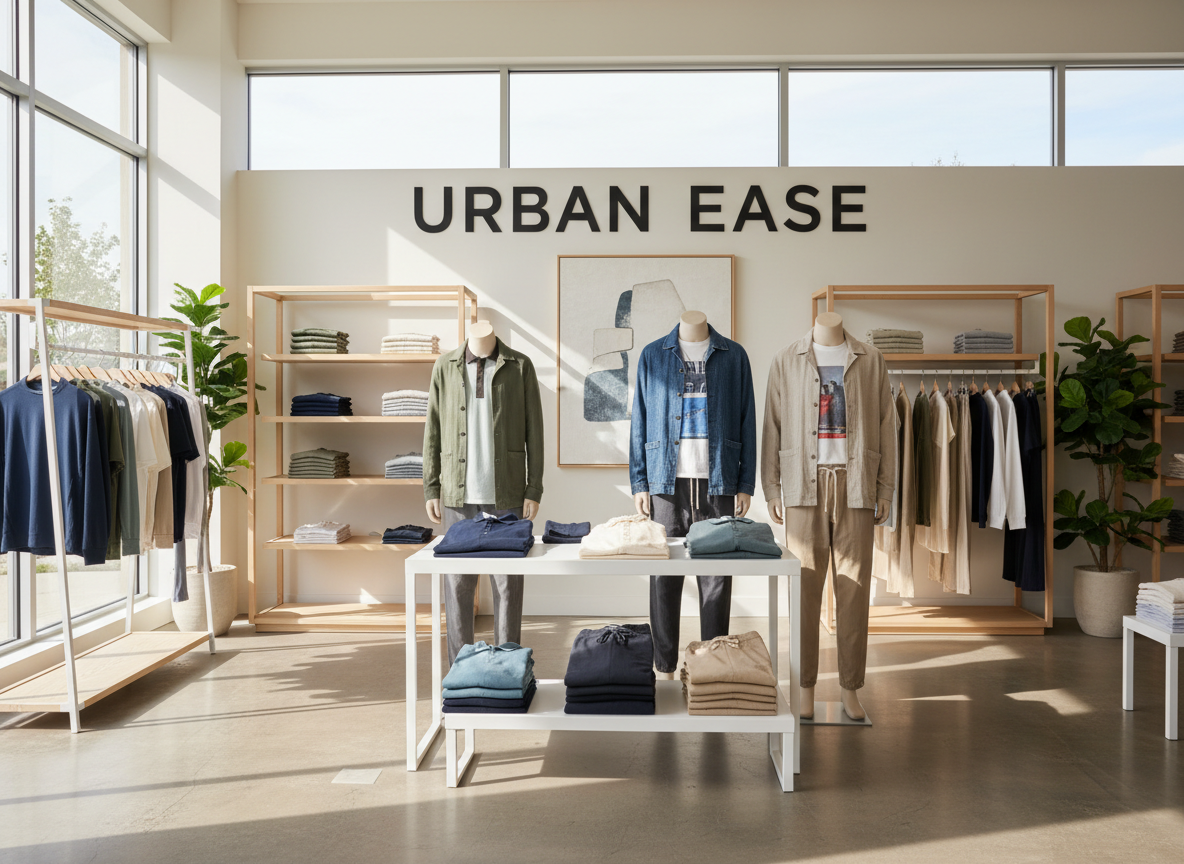
Private label clothing is one of the most effective ways to build a distinctive brand in the fashion and retail market. Instead of reselling existing products, you create your own line — manufactured to your specifications, branded with your label, and sold exclusively under your name. Here is everything you need to know to get started.
What Is Private Label Clothing?
Private label clothing is produced by a manufacturer but sold under your brand name. You control the design, fabric, fit, and branding — the manufacturer handles production. This gives you the benefits of a custom product without the need to own a factory or employ production staff.
Private label is different from white label (where you simply add your logo to a generic product) and from fully bespoke made-to-measure (which is customised for individual customers). It sits in the middle — consistent, branded, and scalable.
Why Choose Private Label?
- Brand control: Your products look and feel exactly how you want them to
- Higher margins: Branded products command better prices than generic alternatives
- Exclusivity: Your competitors cannot sell the same product
- Scalability: Increase production as your brand grows
- Customer loyalty: Unique products build a loyal customer base
Step 1: Define Your Product Range
Start focused. Launching with 3–5 core products is more manageable than a full collection. Choose products that align with your brand positioning and target customer. A corporate brand might start with shirts and blazers; a lifestyle brand might begin with t-shirts and hoodies.
Step 2: Find the Right Manufacturer
Your manufacturer is your most important partner. Look for:
- Experience with private label production
- Flexible minimum order quantities (MOQ)
- Strong quality control processes
- Ability to handle your labelling, packaging, and branding requirements
- Clear communication and reliable timelines
Step 3: Develop Your Samples
Work with your manufacturer to develop samples. This typically involves two rounds: an initial prototype and a revised version. Be specific about fit, fabric weight, colour, and any branding details (labels, tags, embroidery, print). Don't approve production until you are completely satisfied with the sample.
Step 4: Plan Your Branding
Branding goes beyond a logo on a label. Consider woven labels, hang tags, custom packaging, and care label requirements for your target markets. European markets have specific labelling requirements — ensure your manufacturer is familiar with these regulations.
Step 5: Manage Your First Production Run
Your first production run is a learning experience. Inspect the goods carefully on arrival. Check for consistency across sizes, colour accuracy, and quality of stitching and finishing. Any issues should be documented and communicated to your manufacturer immediately.
Prince International specialises in private label clothing production for European brands. We handle everything from sample development to mass production, with full branding support and flexible minimum order quantities.