Consumers and businesses alike are increasingly demanding transparency in how their clothing is made. Ethical manufacturing isn't just a trend — it's becoming a baseline expectation. But what does "ethical manufacturing" actually mean, and how can you ensure your supply chain meets these standards?
Fair Labour Practices
The foundation of ethical manufacturing is how workers are treated. This means living wages (not just minimum wages), reasonable working hours, safe working conditions, and the right to organise. It also means absolutely no child labour and no forced labour — standards that should be non-negotiable for any reputable manufacturer.
Safe Working Conditions
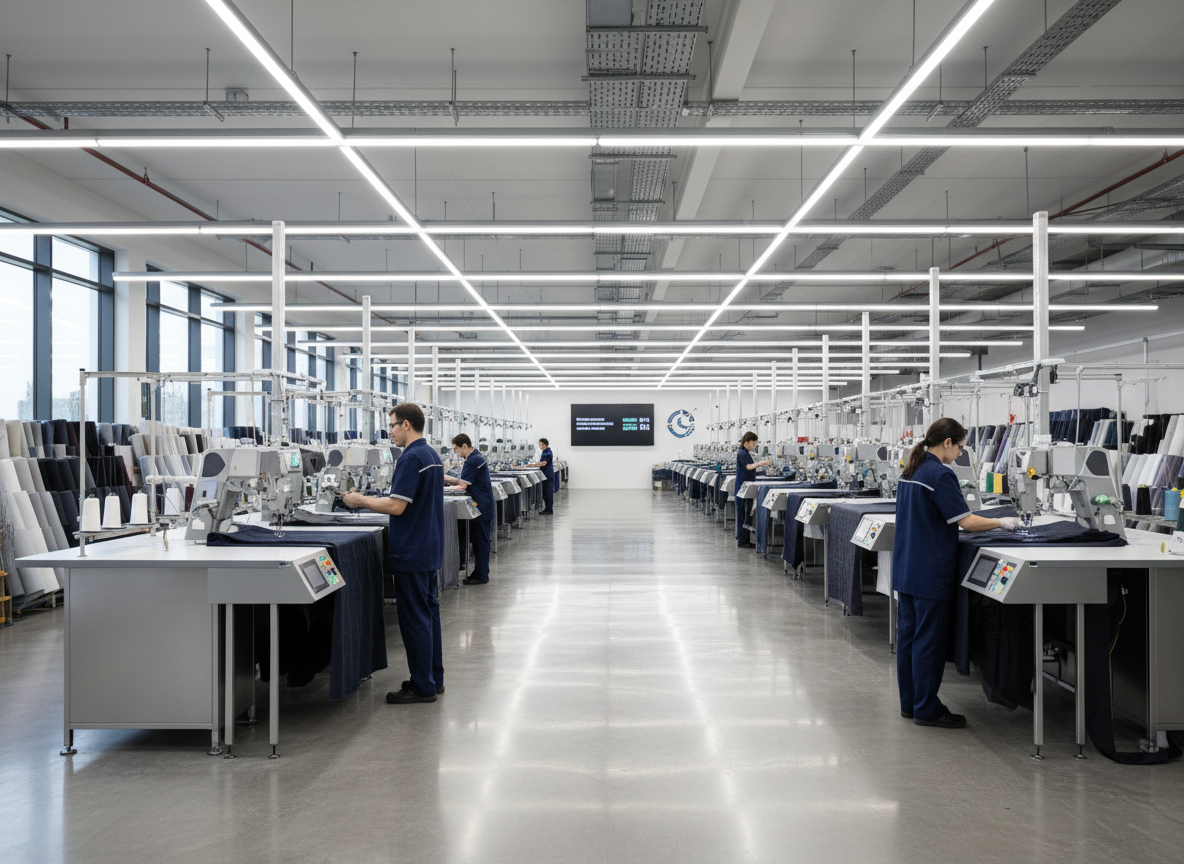
Factories should meet international safety standards. This includes proper ventilation, fire safety measures, adequate lighting, and ergonomic workstations. Regular safety audits — ideally conducted by independent third parties — help ensure these standards are maintained consistently.
Transparency and Traceability
An ethical manufacturer should be willing to show you exactly where and how your garments are made. This includes factory visits, detailed production reports, and clear communication about their supply chain. If a manufacturer is reluctant to share this information, that's a red flag.
Quality Control as an Ethical Practice
Rigorous quality control reduces waste and ensures that garments last longer. This means fewer items end up in landfills, and customers get better value. A thorough QC process — from fabric inspection to final garment checking — is both good business and good ethics.
Questions to Ask Your Manufacturer
- Can I visit the factory where my garments are produced?
- What are your policies on minimum wage and working hours?
- Do you conduct regular safety audits?
- What is your policy on child and forced labour?
- How do you handle quality control and defective items?
- Can you provide references from existing clients?
Prince International maintains strict ethical standards: no workers under 16, living wages for all employees, no forced labour, regular factory inspections, and safe working conditions. We welcome factory visits and full transparency in our production process.